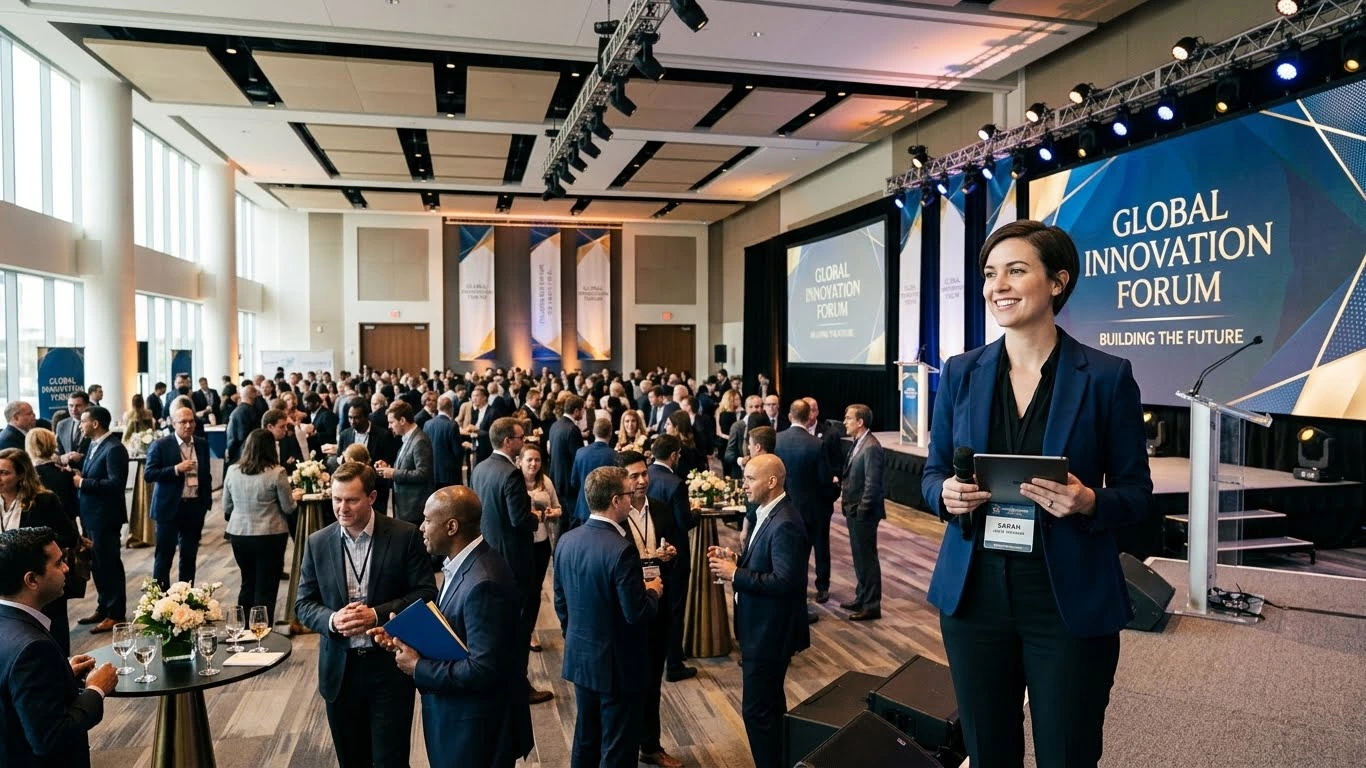
he venue is booked. The speakers are confirmed. The concept is exactly what you wanted. And then you open the budget spreadsheet and realize the numbers do not work.
You need more funding. But you do not want to raise ticket prices, cut corners, or settle for a smaller event than you planned. You want sponsors. Real ones. Companies that show up, add credibility, and actually help make the event better.
Getting them to say yes is not about luck. It is about knowing what sponsors want and giving it to them before they even ask. This guide shows you exactly how. And if you want expert help building an event that sponsors cannot say no to, Bilo Events in California is here for you.
Corporate event sponsorship is when a business provides financial support, products, or services to an event in exchange for promotional benefits. It is a strategic marketing partnership, not a donation.
Most event organizers think about sponsorship purely as a funding solution. It is much more than that. The right corporate sponsor changes what your event can be, how it is perceived, and how far it can reach.
Financial support
Events cost more than most people plan for. Sponsors fill the budget gap and allow you to deliver the event you actually envisioned rather than a scaled-down version of it.
Increased credibility
When a recognized brand puts its name behind your event, it signals to attendees, media, and other potential sponsors that your event is worth backing. Borrowed credibility from an established company can be the deciding factor for hesitant attendees and undecided sponsors.
Wider audience reach
Your promotion reaches your existing audience. A sponsor's promotion reaches theirs. When a company promotes your event through their own channels, your reach expands significantly without additional cost to you.
Marketing and publicity boost
Sponsor involvement generates co-branded content, press releases, and social media campaigns that amplify your event's visibility. Sponsorship announcements alone can create industry buzz before the event even begins.
Access to resources and connections
Not all sponsorship value is financial. In-kind sponsors provide services, technology, or products that would have cost a significant budget to source. Sponsor networks and industry connections open doors that would otherwise stay closed.
Validation for future events
Sponsors who have a positive experience become repeat partners. A strong sponsor roster grows year over year and becomes one of your most powerful marketing assets.
Before you approach any company for sponsorship, you need to understand what they are actually looking for. Sponsors are not doing charity work. They are making a marketing investment and they expect a return on it.
Brand visibility and awareness. Sponsors want their logo, name, and messaging in front of your audience. This means placement on event materials, signage, digital content, and any media coverage the event receives.
Access to your audience. Companies sponsor events because your attendees match their target customer profile. The more clearly you can demonstrate audience alignment, the more attractive your event becomes as a sponsorship opportunity.
Lead generation and networking. Many corporate sponsors attend events specifically to connect with potential clients, partners, or talent. Booths, speaking slots, and networking sessions all provide these opportunities directly.
Positive publicity and goodwill. Sponsoring a well-run, impactful event enhances a company's image in the community and industry. This is especially valuable for companies focused on corporate social responsibility.
Return on investment. At the end of the Day, sponsors want to see measurable value from their investment. Attendance numbers, social media reach, leads generated, and media coverage all contribute to their perceived ROI.
Getting corporate sponsors is a process, not a single action. Each step builds on the one before it. Follow them in order and your chances of securing the right partners improve significantly.
Before approaching anyone, know exactly what your event is about, who it is for, and what success looks like. Sponsors evaluate your event based on how well it serves their marketing goals. The more specific you are about your audience and purpose, the easier it is for them to say yes.
The best sponsors are brands whose target customers match your attendees. Research similar events in your industry and look at who is already backing them. These companies have already proven they invest in events like yours and are your warmest leads.
Focus on relevance over prestige. Also consider local businesses and startups. They move faster, have less bureaucracy, and can become loyal long-term partners if you treat them well from the start.

Offer different tiers with clear benefits at each level. A standard structure includes a title sponsor at the top followed by gold, silver, and bronze tiers. Each tier should list exactly what the sponsor receives: logo placement, speaking slots, booth space, social media mentions, and any VIP access. Keep it simple. A sponsor should immediately know what they are getting and what it costs.
Your proposal is your sales document. Keep it five to eight pages maximum. Include an event overview, audience data, package descriptions with clear pricing, and past event results if available. Lead with your strongest data in the first two pages. Most sponsors will form their initial impression before they reach page three.
Sponsorship decisions are made by marketing managers or brand managers. Use LinkedIn to identify and reach these decision-makers directly. Keep your outreach short and personalized. Reference something specific about their brand, a recent campaign, their target audience, or their stated values. A generic email sent to everyone will be ignored by everyone.
Most sponsorships are not won on first contact. Send a follow-up one week after your initial outreach. If no response, try again two weeks later. Be flexible in negotiations and willing to adjust packages to suit the sponsor's goals. Once both sides agree, document everything in a formal sponsorship agreement covering deliverables, timelines, payment terms, and branding guidelines
The way you ask for sponsorship matters as much as what you are asking for. Here are the principles that consistently work:
Finding the right sponsors requires research but there are several reliable places to start:
Standard logo placement is expected. Creative sponsorship opportunities are what make your event stand out to brands looking for something more meaningful than a banner on a wall.
Event branding. Naming rights for the main stage, a specific session, a lounge area, or even the event WiFi gives sponsors prominent and memorable visibility throughout the day.
Social media shoutouts and promotions. Dedicated posts, countdown stories, and pre-event content campaigns give sponsors digital reach to your audience before the event even begins. This extends the value of the sponsorship well beyond the event day itself.
Sponsored sessions or workshops. A branded educational session positions the sponsor as a thought leader rather than just a financial backer. Attendees walk always associating that company with expertise and real value.
Product placements and giveaways. Sampling stations, branded merchandise in gift bags, or sponsored refreshment areas let sponsors connect directly with attendees in a tangible and memorable way.
VIP experiences and exclusive access. Private networking dinners, VIP lounges, or meet and greet opportunities with keynote speakers create premium sponsorship value that justifies higher investment levels and attracts bigger brands.
Sponsored awards or recognition moments. A sponsor whose name is attached to an award or a recognition segment gets high visibility during one of the most emotionally engaging moments of the event.
Live activations and experiential marketing. Interactive sponsor booths, product demonstrations, or branded entertainment areas create experiences that attendees remember and talk about long after the event ends.
A clear, well-structured package makes it easy for sponsors to say yes. Here is a standard tiered structure that works across most event types:
Title or Presenting Sponsor
The highest-level package. The sponsor's name is attached to the event itself. Includes maximum branding across all materials, a keynote or opening remarks slot, premium booth placement, social media campaign inclusion, and logo on all promotional content before, during, and after the event.
Gold Sponsor
Second tier. Significant branding across event materials, a speaking or panel opportunity, prime booth location, multiple social media mentions, and inclusion in pre-event email campaigns.
Silver Sponsor
Mid-level package. Logo placement on key materials, standard booth space, social media recognition, and listing on the event website and program.
Bronze Sponsor
Entry-level package. Logo on event materials and website listing. A strong option for smaller companies or those testing a new sponsorship relationship before committing to a higher tier.
Media Sponsor
Provides promotional coverage in exchange for event access and branding. Ideal for publications, podcasts, newsletters, or media outlets that can amplify your event's visibility to their own audience.
Technology Sponsor
Provides tech tools such as event apps, AV equipment, live streaming services, or registration software in exchange for branding, recognition, and on-site presence.
Activity or Session Sponsor
Sponsors a specific element of the event such as a workshop, networking lunch, coffee break, award segment, or entertainment portion. Great for companies that want targeted visibility around a specific moment rather than broad coverage across the whole event.
Even well-intentioned organizers make these errors. Knowing them in advance is the best way to make sure they do not happen to you.
Targeting the wrong sponsors
Approaching companies with no connection to your audience wastes your time and theirs. Relevance is everything. A misaligned sponsor will not renew and may not even engage meaningfully during the event.
Sending generic proposals
A proposal that looks like it was sent to a hundred companies will be treated like one. Sponsors can spot a copy-paste pitch immediately. Personalize every outreach to the specific company you are approaching.
Not showing clear value
Vague benefits like brand exposure mean nothing without specifics. Tell sponsors exactly how many people will see their logo, on which materials, in which locations, and through which channels.
Poor follow-up
Most deals are lost not because the sponsor said no but because the organizer stopped following up. Sponsors are busy. One unanswered email is not a rejection. Be consistent, professional, and persistent.
Overpromising and underdelivering
If you commit to certain benefits in a sponsorship agreement, deliver every single one of them. Failing to follow through destroys trust and ends any chance of a long-term relationship.
Leaving it too late
Large companies have long internal approval processes. Approaching sponsors two or three months before your event is often too late for their budget cycles. Start six months out or earlier for major sponsorships.
Ignoring smaller sponsors
Many organizers focus only on landing big name brands and overlook local businesses and startups. Smaller sponsors are easier to close, faster to decide, and often become the most loyal long-term partners.

Getting a sponsor once is a win. Keeping them coming back is a strategy. Long-term sponsor relationships are built on trust, results, and genuine appreciation.
Deliver all promised benefits: Every single deliverable in your sponsorship agreement needs to be fulfilled completely and on time. This is the foundation of everything.
Share post-event reports and results: Send sponsors a detailed impact report after the event. Include attendance numbers, audience demographics, social media metrics, media coverage, and any direct outcomes that relate to their sponsorship goals. Data proves value.
Thank sponsors publicly and privately: Public recognition through social media, your website, and at the event itself shows sponsors that you value the partnership. A personal thank-you from your leadership team reinforces it.
Build long-term relationships: Stay in contact between events. Share relevant industry news, invite sponsors to other activities, and treat them as genuine partners rather than just funding sources. The sponsors who come back year after year are the ones who feel valued all year round.
Getting corporate sponsors starts with having a professionally planned event. At Bilo Events in California, we help businesses and organizations create compelling, well-structured events that attract the right sponsors and deliver real results. From sponsorship package development to full event execution, we handle every detail. Contact us today to start planning an event that sponsors will be proud to put their name behind.
Getting corporate sponsors for your event is not about luck or sending the right template. It is about understanding what sponsors need, showing them exactly how your event delivers it, and building relationships that last beyond a single check. Start with a clear event purpose. Find sponsors whose audience matches yours. Build packages that make the decision easy. Pitch with data and personalization. Follow up consistently. And when a sponsor says yes, deliver everything you promised and then some.
Frequently Asked Questions
What is the difference between a corporate sponsor and a donor?
A donor gives money or resources without expecting a direct return. A corporate sponsor makes a business investment and expects promotional benefits in return. Sponsorship is a marketing transaction, not a charitable gift.
How early should I start looking for sponsors?
Start at least three to six months before your event for large sponsorships. Larger companies have longer decision-making processes and bigger budgets require more internal approvals. Smaller local sponsors can sometimes be secured in a few weeks.
How many sponsorship tiers should I offer?
Three to four tiers is the standard for most events. Too few options limits your reach. Too many creates confusion. A title sponsor plus gold, silver, and bronze levels covers most needs and gives companies enough choice without overwhelming them.
What if a company says no to my sponsorship proposal?
A no today does not mean no forever. Ask for feedback if you can. Refine your proposal based on what you learn. Keep the relationship warm and approach them again for your next event with a stronger pitch and better data.
Can Bilo Events help with sponsorship strategy and event planning?
Absolutely. At Bilo Events in California, we work with businesses and organizations to plan events that attract corporate sponsors and deliver measurable results. Contact us today to discuss your next event and how we can help you secure the partnerships you need.


